GoMyFinance.com is built for people who want simple money decisions that hold up in real life. Some visitors arrive with one problem, like overspending or credit card debt. Others want a steady plan: pay bills on time, save consistently, build credit, then invest for the long run. GoMyFinance.com brings those needs under one roof and keeps the path easy to follow.Money topics can feel noisy online. Too many pages push extremes, shortcuts, or fear. GoMyFinance.com works best when it stays calm and practical. You do not need a perfect system. You need a system you can repeat. This page explains how to use GoMyFinance.com as a starting point, what to do first, and how to move through budgeting, saving, credit, debt, banking, and investing without feeling lost.
What people usually want when they search GoMyFinance.com
Most people typing GoMyFinance.com are trying to reach the official site fast. That is a navigational search. A smaller group is hunting for a specific section inside GoMyFinance.com. They might want investing basics, debt payoff guides, calculators, or credit score help. This is still navigational intent, with a shortcut goal.
A strong homepage matches that behavior. It does three jobs well:
- It confirms you are in the right place.
- It gives you quick paths to the main topics.
- It shows the newest guides and tools, so you can keep moving.
Start here: the order that helps most people
People ask, “What should I do first?” The answer depends on your situation, yet most plans work better in this order:
- Know what comes in and what goes out.
- Build a small cash buffer.
- Protect credit health.
- Attack high-cost debt.
- Invest in a simple way, over time.
GoMyFinance.com can support each step. You do not need to finish one topic before reading the next. You can begin at the point that matches your current stress.
A quick self-check to pick your first section
If you feel behind each month, start with Budgeting and Saving on GoMyFinance.com.
If debt is growing faster than you can pay it, start with Credit and Debt on GoMyFinance.com.
If you are stable month to month and want growth, start with Investing on GoMyFinance.com.
If you feel confused about accounts, fees, transfers, start with Banking basics on GoMyFinance.com.
Budgeting on GoMyFinance.com: make spending predictable
Budgeting is not a restriction. Budgeting is a plan for decisions you already make each day. A good budget makes your month predictable. It reduces surprise bills, late fees, and stress.
Many people fail at budgeting because they build a plan that looks good on paper, then forget real life. A workable budget matches your life, not an ideal version of it.

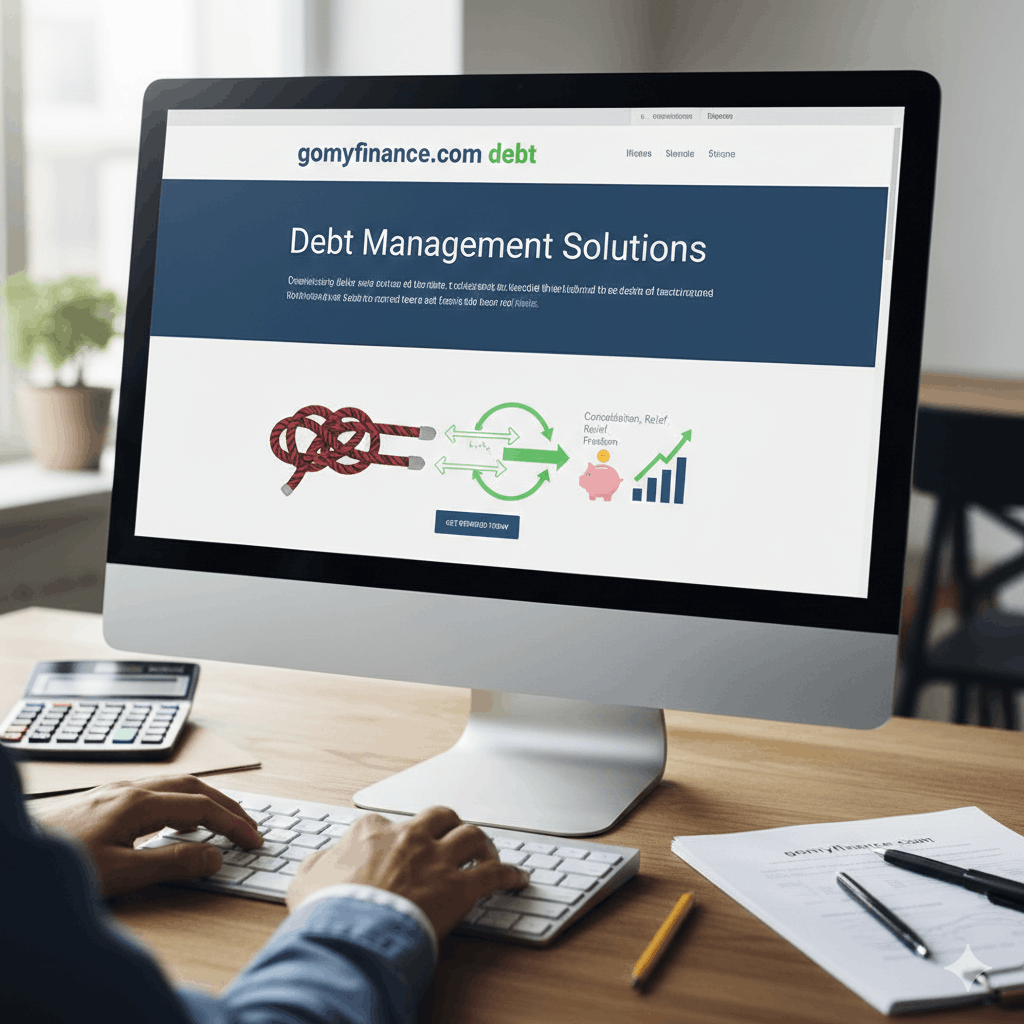
GoMyFinance.com Invest: Debt Payoff Plan (Snowball vs Avalanche)
GoMyFinance.com Invest: ETFs, Index Funds, and Long-Term Basics

GoMyFinance Invest: Investing for Beginners (Simple Start Guide)
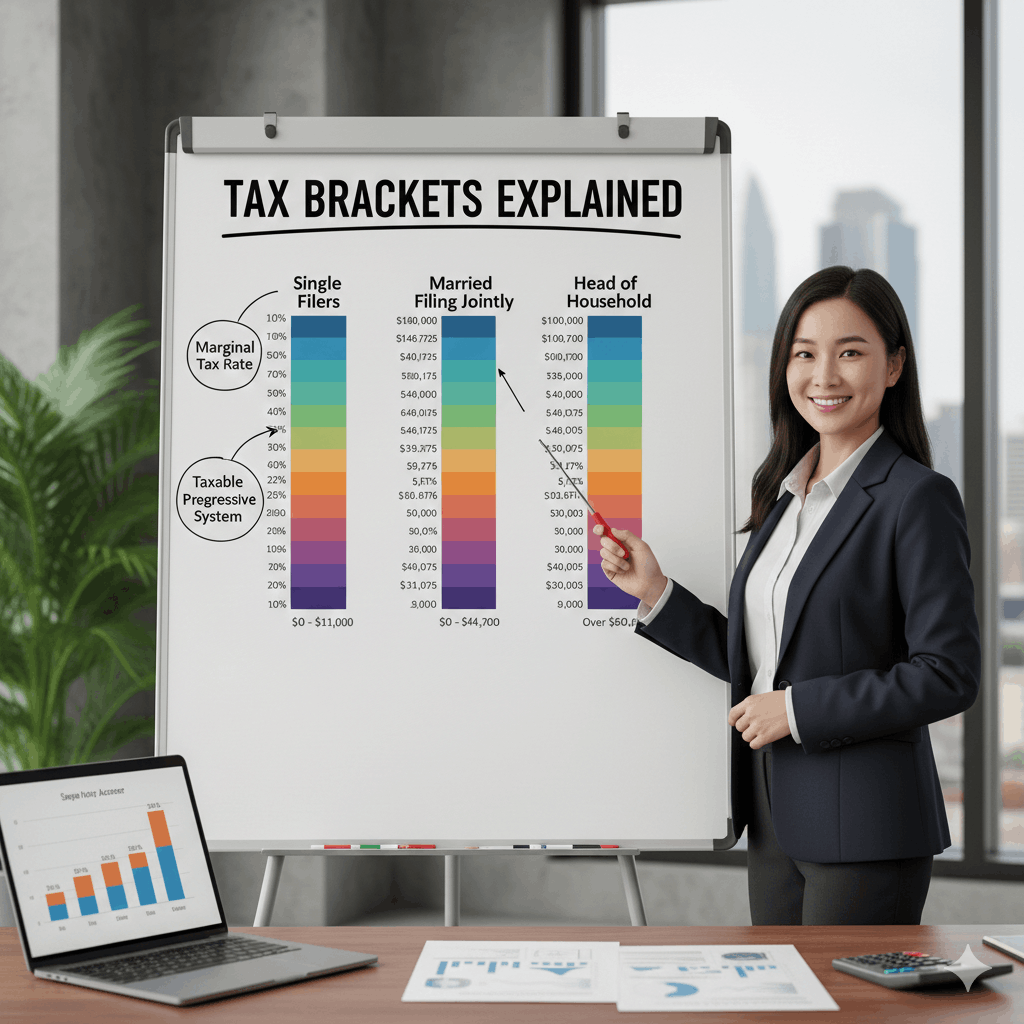
Tax Brackets Explained Without the Confusing Math
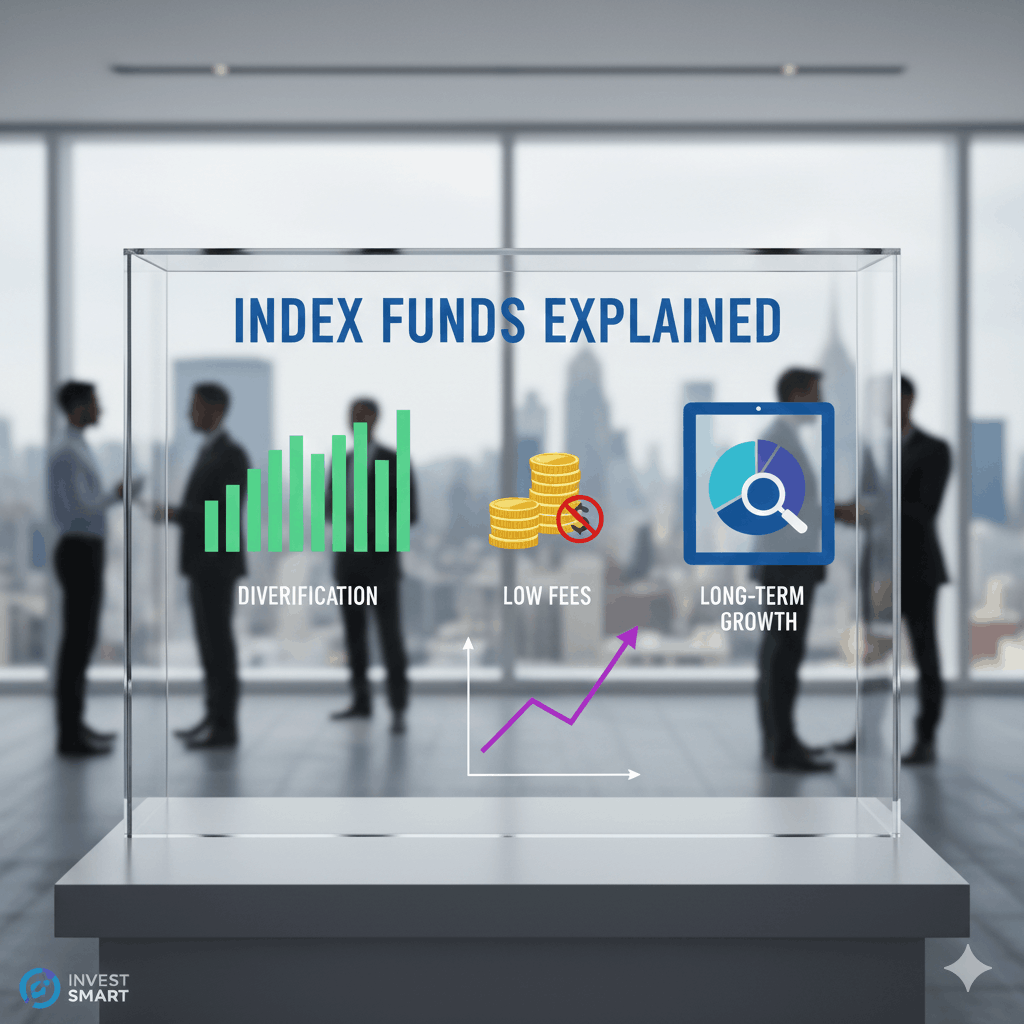
Index Funds Explained: Why Most People Start Here
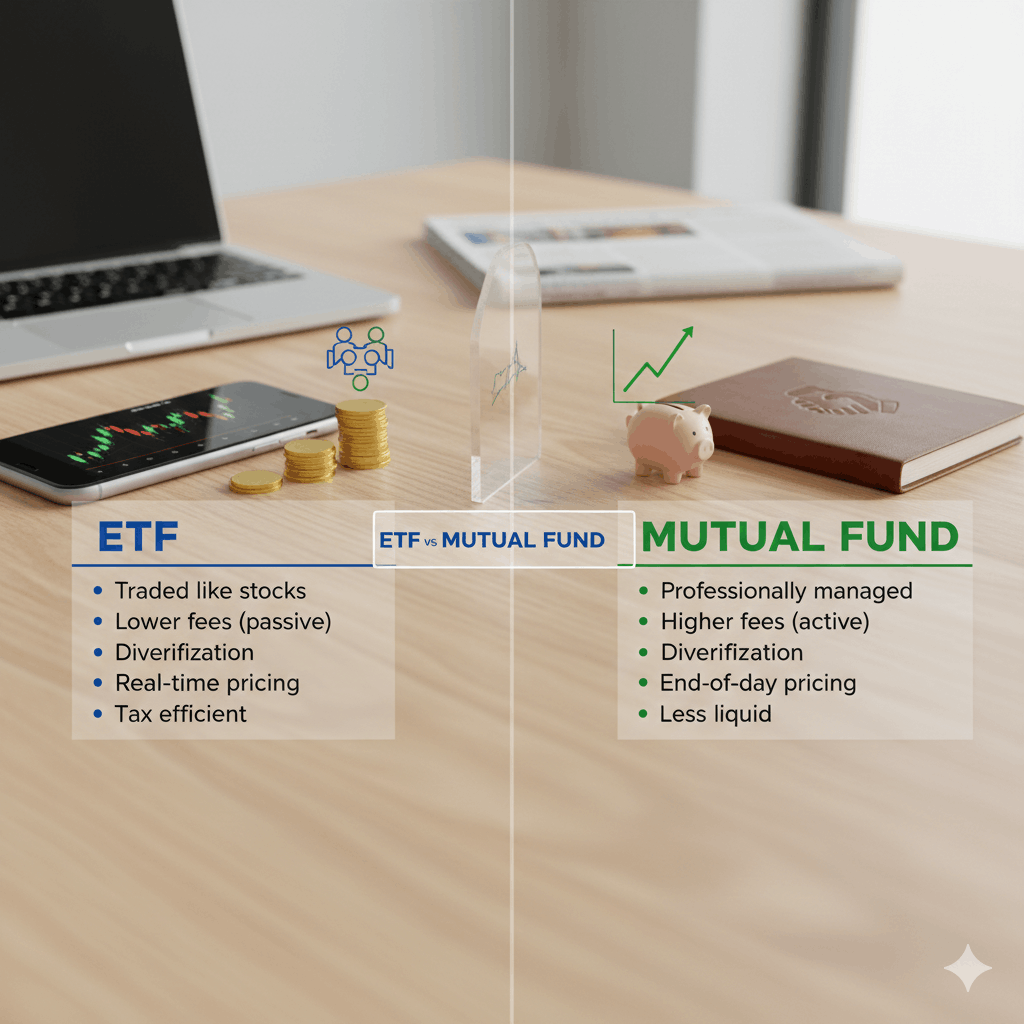
ETF vs Mutual Fund: What’s Better for Long-Term Growth
The budget types that fit most households
The 50 30 20 framework
This structure splits your income into needs, wants, and saving or debt payoff. It can work well as a first draft, then you adjust it to your reality. On GoMyFinance.com, use this structure as a starting point, not a rule.
Zero-based budgeting
Zero-based budgeting assigns every dollar a job. It is helpful for households that want control and clarity. It can feel intense at first, yet it forces you to face the real numbers and stop “invisible spending.”
The “fixed plus flexible” setup
This approach separates bills you must pay from categories that change month to month. It helps when your income varies or your expenses swing.
A clean monthly budget setup you can copy
GoMyFinance.com works best when you keep budgeting simple. Start with four buckets:
- Bills: rent, utilities, phone, internet
- Food and transport: groceries, fuel, transit
- Debt and saving: credit cards, loans, emergency fund
- Life: personal spending, family needs, small fun money
Then add a short rule you can follow. A good rule is “pay bills first, pay yourself second, then spend what remains.”
The small habits that keep budgets from collapsing
Budgets fail from tiny leaks, not giant decisions. Common leaks:
- subscriptions you forgot
- food delivery creep
- bank fees
- impulse shopping during low-energy moments
GoMyFinance.com should guide you toward tracking, then simplifying. You do not need to track every penny forever. Track long enough to see the pattern. Then fix the pattern.
Saving money on GoMyFinance.com: build safety first
Saving is easier when it has a purpose. Most people start saving with two goals:
- avoid emergencies turning into debt
- create choices later
An emergency fund is not a luxury. It is a buffer that stops a broken phone, car repair, or medical bill from becoming a long-term problem.
Emergency fund: what it is and what it does
A starter emergency fund covers small surprises. After that, many people aim for several months of essential expenses. The exact number depends on your job stability and household needs.
GoMyFinance.com should treat the starter fund as a first milestone. It is easier to save more after you prove you can save something.
Sinking funds: saving without pain
Sinking funds are small savings buckets for known expenses:
- yearly insurance payments
- car maintenance
- gifts and travel
- school fees
Sinking funds reduce panic spending. They also reduce the urge to use credit cards for expenses you knew were coming.
Saving when money feels tight
When your budget has no room, saving feels impossible. Start with one small move:
- cut one expense that repeats every week
- reduce one bill by calling and asking for a better plan
- set a small automatic transfer the day after payday
GoMyFinance.com content should focus on moves that work in normal lives, not extreme lifestyles.
Credit on GoMyFinance.com: protect your score and reduce borrowing costs
Credit matters when you rent, finance a car, apply for a mortgage, or even set up utilities in some places. A strong credit score can lower interest costs. A damaged score can raise costs and close doors.
The big pieces of a credit score
Credit scores vary by model, yet most follow similar factors:
- payment history
- credit utilization
- length of credit history
- new credit applications
- credit mix
GoMyFinance.com should explain these in plain language and tie them to actions people can actually take.
Credit utilization: the fast lever many people miss
Utilization is the percent of available revolving credit you are using. High utilization can pull a score down, even if you pay on time. Lower utilization often helps.
A practical move is paying balances down before the statement date, not only before the due date. GoMyFinance.com guides can teach this without making it sound complex.
Fixing errors on a credit report
Reports can include wrong balances, accounts that are not yours, or old information that should have been removed. The fix process usually involves checking the report and disputing errors. GoMyFinance.com can walk people through the steps and what to keep as proof.
Debt on GoMyFinance.com: move from stress to control
Debt is not all the same. High-interest debt behaves like a leak in your money plan. It drains future choices. Low-rate debt can be manageable. The goal is clarity, then a payoff plan that you can stick to.
Debt snowball and debt avalanche
Debt snowball
You pay minimums on everything, then throw extra money at the smallest balance. This creates quick wins and helps people stay consistent.
Debt avalanche
You pay minimums on everything, then throw extra money at the highest interest rate. This can reduce total interest paid.
GoMyFinance.com can present both and help the reader choose based on behavior, not pride. The “best” method is the one you will finish.
Debt consolidation: what to watch for
Consolidation can help when it reduces interest and makes payments simple. It can hurt when it extends debt for years or adds hidden fees. Before consolidating, check:
- total cost over time
- fees and penalties
- payment schedule
- whether the rate is fixed or variable
GoMyFinance.com can add a simple checklist and clear examples.
Credit card debt: the realistic payoff approach
Credit card debt can feel endless when interest is high. The most helpful plan combines:
- a payoff method you can keep
- a spending plan that stops new debt
- small habits that reduce slip-ups
A payoff plan without a behavior plan often fails. GoMyFinance.com should address both sides.
Banking on GoMyFinance.com: avoid fees and make transfers easy
Banking is the plumbing of personal finance. When it is set up well, everything else gets easier. When it is messy, you get overdraft fees, missed payments, and stress.
Checking and savings accounts: simple roles
- checking is for spending and bills
- savings is for goals and safety
Keeping them separate is not a gimmick. It is a boundary that reduces impulse spending.
High-yield savings accounts
A high-yield savings account can offer a better rate than a traditional savings account. Rates change over time, so the main value is the habit: automatic saving and separation from spending money.
GoMyFinance.com can keep this topic clear and avoid hype.
Wire transfer vs ACH
Many people confuse wire transfers and ACH. The difference often comes down to speed, cost, and use case. GoMyFinance.com can explain when each makes sense and how to avoid errors.
Overdraft fees: the quiet money drain
Overdrafts often come from timing, not reckless spending. Fixes can be simple:
- keep a small buffer in checking
- turn on account alerts
- link savings as backup if your bank supports it
- track recurring bill dates
This topic belongs on GoMyFinance.com because it saves real money fast.
Investing on GoMyFinance.com: simple plans that hold up over time
Investing is a long game. Most people do not need complicated picks. They need a plan they can repeat across years.
The investing basics that matter most
Time horizon
Money you need soon does not belong in volatile investments. Money for the long term can handle ups and downs.
Diversification
Diversification spreads risk across many holdings. It can reduce the damage of one company or one sector dropping.
Fees
Fees are silent. They reduce returns over time. GoMyFinance.com should help readers spot fees and keep them low when possible.
ETFs, index funds, mutual funds: what people mean
These products can look confusing at first. A clean way to explain them on GoMyFinance.com:
- an index fund tracks an index
- an ETF is a fund that trades like a stock
- a mutual fund is a fund structure that trades differently from ETFs
Then keep the focus on what matters: cost, diversification, and consistency.
Dollar-cost averaging
Dollar-cost averaging means investing the same amount on a regular schedule. It reduces the urge to time the market. It supports steady progress without obsession.
Retirement accounts and matches
In many workplaces, a retirement match is one of the strongest “instant return” moves. GoMyFinance.com can explain this without pressure and show why missing a match can be costly.
Tools and calculators on GoMyFinance.com: make decisions faster
Many readers want a quick answer. Tools help. A good tools section on GoMyFinance.com should support:
- budgeting categories and monthly totals
- debt payoff timelines
- savings goal timelines
- simple investing projections
Tools should be easy to understand. A tool that confuses the reader is not helping.
What makes a finance tool useful
A good tool gives you:
- inputs you already know
- outputs you can act on
- a short explanation of what the result means
GoMyFinance.com can pair tools with guides that explain what to do next.
Building your personal system with GoMyFinance.com
A finance site becomes valuable when it helps you build a system, not chase random tips. A system has four parts:
- a budget you can repeat
- a savings plan that runs automatically
- a debt plan with a clear target date
- an investing plan that fits your risk and timeline
A simple weekly routine
You do not need daily money tracking. A weekly routine often works better:
- check balances
- check upcoming bills
- move money into savings or sinking funds
- review debt progress
Keep it short. Keep it consistent. GoMyFinance.com can support this with a “weekly check-in” guide and a simple template.
A simple monthly routine
At the end of the month:
- review what went right
- find one expense to reduce next month
- raise savings or debt payoff by a small amount if possible
- update goals
GoMyFinance.com can frame this as a habit, not a project.
Trust and safety: how to use finance content responsibly
Finance content should help you make decisions, not replace professional advice. Many topics depend on your location, taxes, and personal details. A strong site states what it is and what it is not.
GoMyFinance.com can set trust signals on the homepage and in footers:
- clear disclaimers
- clear contact options
- clear editorial standards
- clear update dates on important pages
Common paths inside GoMyFinance.com
People land on a homepage, then ask “Where do I click?” These paths cover most visitors.
If you are living paycheck to paycheck
Start with budgeting and cutting recurring costs. Then start a small emergency fund. Then move to debt payoff.
If you have debt and feel stuck
Start with a clear list of debts, then choose snowball or avalanche. Cut the leak that causes new debt. Add one habit that reduces slip-ups.
If you want to start investing
Start with basics: time horizon, diversification, fees. Then choose a simple, repeatable investing plan and keep it steady.
If your credit score worries you
Start with payments and utilization. Then check for report errors. Avoid frequent new applications until the score stabilizes.
Final thoughts
GoMyFinance.com works best when you treat it like a map. A map does not walk for you. It shows the next turn. Budgeting, saving, credit, debt, banking, and investing connect to each other. The right order removes stress first, then builds progress. Pick the section that matches your biggest pressure point, follow one plan for a few weeks, then return for the next step.